Table of Contents
Picture this: It’s a crisp Saturday morning at the city’s premier artisan market. You’re hauling your handcrafted cutting boards, charcuterie platters, and custom sign work from your vehicle to your booth space—single-handedly, because your “portable” workbench weighs 80 pounds and requires two trips. By the time you’ve wrestled it into place, the early bird shoppers have already spent their money at the vendor next door who was set up in under five minutes. This scenario plays out at craft fairs across the country, but 2026 is the year it stops being your reality.
The modern craft fair landscape has evolved dramatically, with juried shows demanding professional presentations and customers expecting boutique-quality displays. For wood sellers specifically, your workbench isn’t just a tool—it’s your showroom, your workstation, and often your only piece of furniture. The right lightweight folding workbench transforms from a compact package in your trunk to a stable, attractive display surface that elevates your brand while saving your back. Let’s explore everything you need to know to choose the perfect portable foundation for your woodworking business.
Top 10 Folding Workbenches
Detailed Product Reviews
1. Worx Pegasus 2-in-1 Folding Work Table & Sawhorse, Easy Setup Portable Workbench, 31" W x 25" D x 32" H Lightweight Worktable with Heavy-Duty Load Capacity, WX051 - Includes 2 Clamps & 4 Clamp Dogs
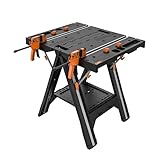
Overview: The Worx Pegasus is a versatile 2-in-1 work solution that transforms from a portable workbench to a heavy-duty sawhorse in seconds. With a 31" x 25" work surface and a 32" working height, it targets DIY enthusiasts and professionals who need mobility without sacrificing functionality. The integrated clamping system and expandability with other Worx products make it a modular choice for evolving workshop needs.
What Makes It Stand Out: The Pegasus excels through its ecosystem compatibility—link multiple Worx tables (Sidekick, Clamping Sawhorse) using shared connectors for extended workspaces. Its 1000-pound sawhorse capacity far exceeds its 300-pound bench rating, demonstrating smart engineering for dual-purpose use. The four clamp dogs and two included bar clamps provide immediate utility, while the fold-flat design enables true portability. The quick-connect system requires no tools, making transitions between modes effortless.
Value for Money: Priced in the mid-range for portable workbenches, the Pegasus justifies its cost through genuine 2-in-1 functionality. Purchasing separate sawhorses and a workbench would cost significantly more. The included accessories eliminate immediate additional purchases, and the expandability future-proofs your investment. For users already in the Worx ecosystem, the value proposition strengthens considerably.
Strengths and Weaknesses: Strengths include exceptional portability at 30 pounds, seamless mode switching, high sawhorse capacity, and smart expandability. The clamp dog system offers versatile workholding, and the folding mechanism operates smoothly after initial use. Weaknesses involve the fixed 32" height limiting ergonomic customization, and the 300-pound bench capacity trails some competitors. The plastic top, while durable, may not satisfy traditionalists preferring solid wood.
Bottom Line: The Worx Pegasus is ideal for mobile contractors and space-conscious DIYers prioritizing versatility over raw bench strength. Its expandability makes it a platform for growth, though dedicated woodworkers may want higher workbench capacity.
2. Keter Folding Work Table, Portable Workbench w/ 12" Clamps for Garage/Wood Shop - Heavy-Duty and All-Weather for DIY Home Improvements and Worksites

Overview: Keter’s folding work table delivers a weather-resistant work solution that sets up in 30 seconds without any assembly. Built from heavy-duty resin with aluminum legs, this 1000-pound capacity bench targets outdoor projects and job sites where traditional wood or steel benches would deteriorate. The 12-inch clamps install horizontally or vertically, accommodating various workpiece sizes and shapes.
What Makes It Stand Out: The all-weather construction stands as the primary differentiator—this bench won’t rust, peel, or dent in harsh conditions. The 30-second deployment is genuinely fast, using a clever folding mechanism that requires no fumbling with locks or latches. The 1000-pound capacity matches heavy-duty sawhorses while maintaining a relatively lightweight 27-pound form factor. Keter’s 75-year heritage in resin manufacturing shows in the robust hinge design and UV-stabilized materials.
Value for Money: This workbench offers excellent value for outdoor enthusiasts and mobile professionals. The weather resistance eliminates replacement costs associated with metal rust or wood rot, effectively amortizing the investment over many years. While priced slightly above basic steel models, the durability and included 12" clamps offset the premium. Competitors with similar capacity often lack the weatherproofing, making this a smart long-term purchase.
Strengths and Weaknesses: Major strengths include rapid setup, exceptional weather resistance, high load capacity, and maintenance-free operation. The clamp versatility handles irregular workpieces effectively. Weaknesses include the resin top’s potential for scratching and less “grippy” surface compared to wood. The fixed height may not suit all users, and the folding mechanism, while fast, requires deliberate operation to avoid pinching. The aesthetic is utilitarian rather than premium.
Bottom Line: Perfect for contractors, gardeners, and outdoor DIYers who need a rugged, weatherproof workstation. The Keter excels in adverse conditions but may disappoint traditionalists seeking a classic workbench feel.
3. Pony Portable Folding Work Table, 2-in-1 as Sawhorse & Workbench, 31” W×25” D×25”-35”H, Large Load Capacity with 4pcs Clamps, 4pcs Bench Dogs

Overview: Pony’s adjustable-height work table offers a compelling blend of versatility and capacity in a 2-in-1 design. Supporting 500 pounds as a workbench and 1000 pounds as a sawhorse, it features six height positions from 30" to 35" to accommodate various projects and user statures. The comprehensive accessory package includes four clamps (two 12", two 6") and four bench dogs, catering to diverse clamping scenarios.
What Makes It Stand Out: The six-position height adjustment is the standout feature, allowing ergonomic customization for everything from detailed sanding to miter saw support. The aluminum leg frame provides superior strength-to-weight ratio, while the dual clamp sizes offer flexibility for both large panels and delicate trim work. Safety straps add stability during heavy loads, and the 31" x 25" work surface matches premium competitors. The transition between bench and sawhorse modes uses a simple, reliable locking mechanism.
Value for Money: With its extensive accessory bundle and height adjustability, Pony delivers strong value at a competitive price point. The included clamps alone would cost $40-60 separately, while the height adjustment feature typically commands a premium. The 500-pound bench capacity exceeds many in this class, justifying the investment for serious DIYers. For users needing multiple working heights, this eliminates purchasing separate stands.
Strengths and Weaknesses: Strengths include excellent height adjustability, comprehensive accessory package, robust aluminum construction, and dual-mode functionality. The 500-pound bench capacity handles most projects comfortably. Weaknesses involve potential stability concerns at maximum height with heavy loads, and the 32-pound weight reduces portability slightly. The adjustment mechanism, while useful, adds complexity that could wear over time. Setup takes longer than fixed-height competitors.
Bottom Line: An excellent choice for users prioritizing ergonomic flexibility and comprehensive accessories. The Pony adapts to more tasks than fixed-height alternatives, making it ideal for dynamic home workshops.
4. POWERTEC Portable Small Workbench with Vise, Imprinted Ruler and Protractor Scale, Folding Sawhorse/Worktable and 4 Bench Dogs for Woodworking Projects (MT4006V)
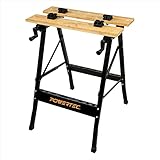
Overview: POWERTEC’s MT4006V targets woodworking purists with its bamboo work surface and integrated vise system. Weighing just 11 pounds, this lightweight bench supports 220 pounds while offering premium features like imprinted measurement scales and protractor. The heavy-duty steel frame folds flat for storage, making it suitable for small shops and apartment dwellers who need a dedicated woodworking station without permanent footprint.
What Makes It Stand Out: The bamboo top provides a stable, woodworker-friendly surface that won’t dull tools like resin might. The integrated vise with fully adjustable panels offers true workholding capability absent in most portable benches. Imprinted metric and imperial rulers plus a protractor scale enable precise layout work directly on the bench. At 11 pounds, it’s genuinely portable while including four bench dogs for workpiece stabilization. The built-in tool storage rack keeps essentials within reach.
Value for Money: This represents exceptional value for entry-level woodworkers and hobbyists. The bamboo top alone justifies the modest price point, as does the integrated vise. While the 220-pound capacity limits heavy-duty use, the specialized features (measurement scales, protractor) typically appear on benches costing twice as much. It’s an affordable way to access woodworking-specific functionality without building a traditional bench.
Strengths and Weaknesses: Strengths include the lightweight design, woodworker-centric features, integrated vise, and measurement aids. The bamboo top offers excellent workability and stability. Weaknesses are the limited 220-pound capacity, smaller work surface, and steel frame’s potential for rust if stored damp. The vise, while useful, lacks the precision of dedicated bench vises. The lightweight construction can feel less substantial during aggressive sawing or chiseling.
Bottom Line: Ideal for hobbyist woodworkers and those with space constraints. The POWERTEC prioritizes woodworking functionality over raw capacity, making it perfect for small projects and detail work rather than heavy construction.
5. BLACK+DECKER Portable Work Bench and Vise (WM225-A)

Overview: BLACK+DECKER’s WM225-A brings traditional workbench functionality to the portable market with its heavy-gauge steel frame and integrated vise system. Supporting 450 pounds, this 28-pound bench features adjustable rear jaws and four swivel pegs for clamping irregularly shaped objects. The dual-height legs fold underneath for larger projects, while the collapsible design enables wall-mounted storage.
What Makes It Stand Out: The adjustable rear jaws provide a unique gripping range that accommodates tapered, round, or irregular workpieces—capability rarely found in portable benches. The swivel pegs offer flexible clamping points without requiring separate bench dogs. BLACK+DECKER’s reputation for durable tools manifests in the robust steel construction and reliable folding mechanism. The dual-height configuration (standard and lowered) adapts to both detail work and larger assemblies.
Value for Money: From a trusted brand, this workbench offers solid mid-range value. The 450-pound capacity exceeds many competitors, while the specialized jaw system justifies the modest premium over basic models. While it includes fewer accessories than some rivals, the integrated vise and swivel pegs reduce additional purchases. The steel construction ensures longevity, making it a cost-effective long-term investment for general home use.
Strengths and Weaknesses: Strengths include the versatile clamping system, reputable brand backing, substantial weight capacity, and dual-height functionality. The steel frame provides excellent stability during heavy use. Weaknesses include the 28-pound weight limiting portability, lack of included bar clamps, and fixed-width jaw limitations compared to traditional vises. The steel surface requires protection from moisture to prevent rust. The setup, while straightforward, isn’t as rapid as some competitors.
Bottom Line: A reliable, no-nonsense choice for homeowners seeking a traditional workbench experience in a portable package. The BLACK+DECKER excels at general-purpose tasks but may lack specialized features for dedicated woodworkers.
6. Foldable Work Bench,Easy Step Protable Work Table,34" W x 25" D x 31" H Lightweight Workbench wih 1650LBS,Work Benches for Garage,Work Bench Suitable for Garage,Workshop and Home (Black)
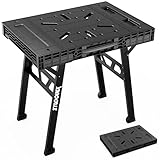
Overview: This foldable workbench delivers a compelling blend of portability and functionality for home workshops and garages. Measuring 34" x 25" x 31" and weighing just 23 pounds, it sets up and collapses in three seconds, folding to a slim 3.7-inch profile for effortless storage. The integrated carrying handle enhances mobility between job sites.
What Makes It Stand Out: The three-second deployment mechanism is genuinely impressive, eliminating frustrating assembly time. The versatile clamping system featuring multi-functional holes, X-shaped grooves, and measurement markings transforms it into a precision work station. Despite its featherweight construction, it supports substantial loads, though the listed capacity varies between 1,000-1,650 pounds.
Value for Money: Competing foldable workbenches typically cost 20-30% more while offering similar features. The waterproof, easy-clean surface adds longevity, making this a smart investment for occasional to moderate DIYers who prioritize space efficiency over industrial-grade durability.
Strengths and Weaknesses: Strengths include lightning-fast setup, exceptional portability, integrated measuring guides, and a robust clamping system. The lightweight design doesn’t compromise stability thanks to four metal legs with protective bases. Weaknesses involve inconsistent weight capacity specifications in the listing, and the 23-pound frame may flex slightly under maximum loads compared to heavier steel alternatives.
Bottom Line: Ideal for homeowners and hobbyists seeking a space-saving solution that doesn’t sacrifice functionality. While professionals might crave heavier construction, this bench excels for 90% of typical garage tasks, offering unbeatable convenience at a competitive price point.
7. TLGREEN Multifunctional Folding Work Table, 7 in 1 Work Benches for Garage, as Portable Workbench, Sawhorse, Scaffold, Platform, Car Creeper, Dolly and Hand Truck, with 4 Wheels

Overview: The TLGREEN Multifunctional Folding Work Table redefines workshop versatility by combining seven distinct tools into one intelligent design. This transformer tackles roles from workbench to sawhorse, scaffold, platform, car creeper, dolly, and hand truck, making it the ultimate space-saving solution for cramped garages.
What Makes It Stand Out: The seven-in-one functionality is unmatched in this category, eliminating the need for separate dedicated tools. Setup takes under 30 seconds without tools, and the adjustable height (20.5" or 31.5") adapts to various tasks. Four wheels enhance mobility, while the triangular aluminum and steel frame ensures stability across all configurations.
Value for Money: Purchasing seven separate tools would cost $400-600 and consume valuable floor space. This unit delivers comparable functionality at a fraction of the cost and footprint, paying for itself through space savings alone for urban DIYers.
Strengths and Weaknesses: Strengths include extraordinary versatility, tool-free transformation, integrated wheels, and a detachable tool tray. The 440-pound scaffold capacity is respectable, though the 330-pound limit for other modes trails dedicated single-purpose tools. Weaknesses include the learning curve for mode transitions and the need to purchase clamps separately.
Bottom Line: Perfect for space-strapped enthusiasts who value flexibility over maximum load capacity. While not a replacement for heavy-duty professional equipment, it brilliantly handles most home projects while decluttering your workspace.
8. Bora Centipede 30in Folding Work Table - 48 x 96 Portable Workbench with 6000lb Capacity, 15-Strut Collapsible Work Bench for Garage, Mobile Workstation with Storage Bag - No Assembly Required CK15S

Overview: The Bora Centipede CK15S is a professional-grade collapsible workbench engineered for serious builders and contractors. Its massive 48" x 96" surface and staggering 6,000-pound capacity handle full sheets of plywood, heavy machinery, and substantial projects that would overwhelm typical portable benches.
What Makes It Stand Out: Fifteen flexible steel struts create a spider-like support system that distributes weight remarkably while folding into a compact bundle. The innovative P-Tops protect workpieces and saw blades from damage, rotating 360 degrees for accessory compatibility. Setup requires mere seconds with zero assembly.
Value for Money: While priced higher than consumer models, it replaces stationary workbenches costing twice as much while offering superior portability. For professionals, the time saved on job site setup and the ability to handle oversized materials justifies the premium.
Strengths and Weaknesses: Strengths include unparalleled weight capacity, enormous work surface, exceptional portability for its class, and surface protection features. The included storage bag simplifies transport. Weaknesses include its substantial weight (though unspecified, it’s clearly heavier than 23-lb models), bulk when folded, and the need to purchase a separate tabletop for optimal use.
Bottom Line: An essential investment for contractors, renovators, and serious woodworkers who regularly handle heavy materials. DIYers with limited space should consider lighter alternatives, but for professional-grade support anywhere, the Centipede is unmatched.
9. Express Folding Worktable, Easy Setup Portable Folding Workbench, 34" W x 24" D Lightweight Versatile Worktable with 1650 Lbs Load Capacity Work Benches for DIY Home Improvements Professional Worksite
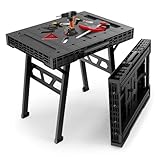
Overview: The Express Folding Worktable targets DIYers and professionals seeking rapid deployment without sacrificing strength. This 34" x 24" bench weighs 23.3 pounds yet supports an impressive 1,650 pounds, setting up in under three seconds for immediate productivity at any location.
What Makes It Stand Out: The lightning-fast setup mechanism rivals the quickest benches available, while the robust metal legs deliver exceptional load-bearing capacity for its weight class. Integrated bench dog holes, X-shaped grooves, and measurement markings create a versatile clamping station for precision work.
Value for Money: Positioned competitively against similar quick-setup models, it offers higher stated capacity than most lightweight alternatives. The durable construction and versatile clamping system provide professional features at a consumer price point, making it a smart choice for budget-conscious buyers.
Strengths and Weaknesses: Strengths include rapid deployment, high weight capacity, excellent portability, and comprehensive clamping options. The sturdy metal leg construction ensures stability. Weaknesses include potential flex under maximum loads due to lightweight design, and the 34" x 24" surface may feel cramped for larger projects.
Bottom Line: An excellent choice for mobile professionals and serious DIYers who prioritize speed and portability. While it won’t replace a stationary bench for heavy milling operations, it excels for on-site work, small workshops, and anyone needing reliable support that stores in seconds.
10. BLACK+DECKER Portable Workbench, Workmate Folding Workbench, 550 lb. Capacity with Clamps for Woodworking (WM425-A)

Overview: The BLACK+DECKER Workmate WM425-A represents the iconic portable workbench that has defined the category for decades. This classic project center combines a folding table with integrated vise functionality, supporting 550 pounds for woodworking, DIY projects, and automotive tasks.
What Makes It Stand Out: The adjustable jaws and four swivel pegs accommodate irregularly-shaped objects with a versatility that generic benches can’t match. The laminated bamboo stalk worktop provides a durable, attractive surface that withstands heavy use while protecting tools. Vertical clamping capability expands workholding options significantly.
Value for Money: As a trusted brand name, BLACK+DECKER commands a modest premium over no-name alternatives. However, the proven design, reliable warranty support, and included clamping accessories justify the cost for buyers seeking hassle-free performance.
Strengths and Weaknesses: Strengths include the legendary vise system, stable heavy-gauge steel frame, bamboo worktop durability, and decades of design refinement. Setup takes seconds, and the large surface adapts to numerous tasks. Weaknesses include the 550-pound capacity, which trails newer lightweight models, and the 30-pound weight reduces portability slightly.
Bottom Line: Perfect for woodworking enthusiasts and homeowners wanting a time-tested workholding solution. While newer designs offer higher capacities and lighter weights, the Workmate’s vise functionality and brand reliability make it a worthwhile investment for those who value precision clamping over raw load-bearing power.
Why Lightweight Folding Workbenches Are Essential for Modern Craft Fair Vendors
Gone are the days when a couple of sawhorses and a plywood sheet could pass for a professional booth. Today’s craft fair circuit demands mobility without compromise, and your setup speed directly impacts your profitability. Every minute spent wrestling with equipment is a minute not engaging customers.
The Evolution of Craft Fair Booth Design
The craft fair aesthetic has shifted from rustic charm to curated professionalism. Show organizers now evaluate booth design during jurying processes, and cluttered, cobbled-together displays can disqualify you before you even sell a piece. Lightweight folding workbenches have become the secret weapon for wood sellers who need to project studio-quality craftsmanship while maintaining the logistical flexibility to do 30 shows a year. These units collapse small enough to fit in a compact SUV yet deploy into surfaces that make your work look like it belongs in a high-end gallery.
Mobility Meets Professionalism
The sweet spot exists where portability doesn’t sacrifice stability. Modern engineering has cracked this code using aerospace-grade materials and intelligent hinge designs. You can now have a 25-pound bench that supports 500 pounds of inventory without wobbling when a customer leans in for a closer look at your dovetail joints. This balance is what separates weekend hobbyists from serious craft fair entrepreneurs who treat their booth as a mobile retail storefront.
Key Weight Considerations: How Light is Light Enough?
“Lightweight” is a relative term that varies dramatically based on your physical capabilities and vehicle constraints. What’s featherweight to a 25-year-old CrossFit enthusiast might be back-breaking to a 60-year-old artisan with decades of woodworking experience.
Understanding Portable Weight Classes
In the 2026 market, portable workbenches fall into three distinct categories. Ultralight models (under 20 pounds) prioritize mobility above all else, making them ideal for sellers who fly to destination shows or use public transportation. Mid-weight options (20-35 pounds) represent the industry sweet spot, offering the best strength-to-weight ratio for most wood sellers. Heavy-duty portables (35-50 pounds) sacrifice some mobility for enhanced stability and higher load capacities, suitable for those who primarily drive to shows and sell exceptionally heavy pieces like live-edge tables.
Balancing Weight with Stability
Here’s the counterintuitive truth: sometimes adding 5 pounds of strategic weight creates a more stable bench than stripping 10 pounds randomly. The key is where that weight lives. Workbenches with weighted base bars or low-center-of-gravity designs often feel more stable at 30 pounds than flimsy 18-pound models that wobble with every breeze. Consider your typical show conditions—outdoor venues with wind exposure demand different stability priorities than climate-controlled convention centers.
Foldability Factors: What “Folding” Really Means in 2026
Not all folding mechanisms are created equal, and the marketing jargon can be misleading. “Folds flat” might mean anything from a 3-inch profile to a chunky 8-inch package that still eats trunk space.
One-Hand vs Two-Hand Folding Mechanisms
One-hand folding systems use spring-loaded hinges and counterbalanced designs that let you collapse the bench while holding inventory in your other hand. These are game-changers for solo vendors, but they add mechanical complexity that can fail after hundreds of setups. Two-hand systems require both hands but typically use simpler, more durable hinge pins and locking bars. They’re slightly slower but often outlast their more sophisticated counterparts by years of heavy use.
Flat-Fold vs Collapsible Designs
Flat-fold benches maintain a single-plane surface that simply drops down, creating a slim profile ideal for sliding behind truck seats or into narrow cargo spaces. Collapsible designs break down into smaller component pieces—often a separate top and base—that pack into included carry bags. While collapsible models achieve smaller packed dimensions, they introduce more setup steps and create opportunities to lose critical hardware during hectic show mornings.
Load Capacity: The Hidden Spec That Can Make or Break Your Booth
Manufacturers love to tout impressive weight limits, but those numbers rarely tell the full story. A 600-pound capacity means nothing if the bench sags in the middle when you place a 40-pound walnut charcuterie board on it.
Dynamic vs Static Weight Ratings
Static capacity measures weight at rest—your display pieces simply sitting on the surface. Dynamic capacity accounts for the forces created when you’re actively working, clamping, or when customers handle your products. For wood sellers, dynamic capacity matters more because customers will pick up, examine, and sometimes drop your pieces back onto the bench. Look for benches that specify both ratings, and prioritize dynamic capacity that exceeds your heaviest piece by at least 50%.
Real-World Capacity for Woodworking Displays
Calculate your real needs by weighing your five heaviest pieces and adding 20% for display props, signage, and that inevitable box of business cards. Then consider how you’ll arrange them. A 300-pound capacity spread across a 6-foot surface handles distributed weight beautifully, but placing a 150-pound live-edge slab on just one end creates a torque load that can overwhelm even sturdy-looking legs. Center-post designs handle end-loading better than four-corner leg systems, something most spec sheets never mention.
Material Matters: Aluminum, Steel, and Composite Options
The material composition determines not just weight and strength, but also how your bench responds to temperature changes, humidity, and the inevitable knocks of travel.
Aluminum Alloys: The Gold Standard
Aircraft-grade 6061-T6 aluminum has become the benchmark for premium portable workbenches. It offers exceptional strength-to-weight ratios, doesn’t rust when you’re selling at coastal shows, and maintains structural integrity across temperature extremes from Scottsdale summers to Vermont winters. The T6 tempering process work-hardens the aluminum, creating a surface that resists dents from dropped chisels or errant mallets. Be wary of lower grades like 6063—it’s cheaper but significantly softer, showing wear within months.
Steel Reinforcements: When Strength Trumps Weight
Some manufacturers strategically place steel in high-stress areas like hinge points and leg brackets while keeping the main framework aluminum. This hybrid approach adds 3-5 pounds but dramatically extends lifespan. Powder-coated steel resists rust better than bare steel, but chips in the coating expose vulnerable metal. If you choose a steel-reinforced model, inspect hinge areas regularly and touch up chips with automotive touch-up paint before rust takes hold.
Emerging Composite Materials
Carbon fiber reinforced polymers are entering the premium segment, offering insane strength at under 15 pounds total weight. The catch? They’re currently priced for early adopters and can be brittle—sharp impacts that would dent aluminum can crack composites. For 2026, these remain niche options for sellers who fly frequently and can justify the investment through reduced baggage fees and rental car requirements.
Work Surface Considerations for Wood Sellers
Your work surface is where your craftsmanship meets customer scrutiny. A damaged or inappropriate surface can actually devalue your work in buyers’ eyes.
Surface Area Dimensions That Actually Work
The standard 48x24-inch surface works for jewelry makers, but wood sellers need more real estate. Look for 60x24 inches minimum to display cutting boards, signs, and small furniture pieces without looking cluttered. However, booths are often 10x10 feet, leaving limited room for you to stand behind the bench. Consider models with 72-inch surfaces that overhang the base, letting customers view pieces from three sides while you maintain a narrow footprint. Just ensure the overhang doesn’t exceed 6 inches or stability suffers.
Scratch Resistance and Wood-Friendly Finishes
Your workbench surface will inevitably get marked up, but those marks shouldn’t transfer to your products. Low-quality powder coats can flake and create abrasive particles that scratch your finishes. High-pressure laminate surfaces resist glue drips and finish spills better than bare metal, and they’re replaceable on premium models. Some vendors swear by sacrificial MDF toppers that they replace seasonally, but this adds setup time and storage needs. The 2026 trend is toward textured powder coats that hide minor scuffs while providing a non-slip surface for your pieces.
Height Adjustability: Ergonomics for Long Show Days
You’ll spend 8-10 hours standing at this bench, demonstrating techniques and chatting with customers. Fixed-height benches are ergonomic disasters waiting to happen.
Standard Height Ranges
Most adjustable benches offer 28-36 inch ranges, which accommodates users from 5'2" to 6'2" reasonably well. However, if you’re significantly taller or shorter, look for extended ranges from 26-42 inches. The adjustment increments matter too—2-inch jumps force you to compromise, while infinite adjustment lets you dial in the perfect height for your body and the task, whether that’s hand-planing a edge or writing up a sale.
Quick-Adjust vs Precision-Adjust Mechanisms
Quick-adjust systems use spring-loaded pins that pop into pre-drilled holes. They’re fast but can slip if not fully engaged, creating a heart-stopping moment when your bench drops two inches mid-show. Precision-adjust mechanisms use threaded rods or cam locks that hold height securely but require 30-60 seconds of cranking per adjustment. For most wood sellers, the sweet spot is a hybrid: quick-adjust for initial setup, with secondary locking screws for security once positioned.
Setup Speed: From Car to Booth in Under 3 Minutes
The difference between a 2-minute setup and a 10-minute setup isn’t just 8 minutes—it’s the mental energy you preserve for the 300 customer interactions ahead.
Tool-Free Assembly Features
Every connection point that requires a wrench or hex key is a potential failure point and a guaranteed time sink. Premium benches in 2026 use captive hardware that stays attached even when loosened, and oversized knobs you can tighten by hand. Some even feature auto-locking hinges that click audibly when engaged, giving you confidence without requiring visual confirmation. Test this in the store: if you can’t set it up wearing gloves on a cold morning, keep shopping.
Practice Makes Perfect: Timing Your Setup
Buy your bench two months before your first show and practice the setup sequence in your driveway. Time yourself. Film it. Look for wasted motions. The best bench designs allow a natural flow: unfold legs, lock hinges, flip top upright, adjust height. Each motion should feel intuitive. Benches that force you to flip the unit multiple times during setup will have you cursing by your third show of the season.
Durability for the Road: What “Travel-Ready” Means
Your workbench lives a harder life than your shop tools. It gets tossed in trunks, rattled down highways, and set up on uneven asphalt. Durability isn’t about surviving one season—it’s about maintaining precision through 100+ setups.
Corner Reinforcements and Stress Points
Examine any bench you’re considering and identify the eight corners where legs meet the top. These are failure points. Look for gusset plates, welded reinforcements, or cast aluminum junctions. Plastic corner caps are cosmetic only—they’ll crack after a dozen shows. The best designs distribute load through the entire frame rather than concentrating stress at bolt holes, which elongate and loosen over time.
Weather Resistance for Outdoor Shows
Even if you primarily do indoor shows, you’ll eventually face a pop-up shower or dewy morning setup. Anodized aluminum resists corrosion without the chipping risk of paint. Stainless steel hardware is non-negotiable—regular steel bolts seize with rust after one damp season. Some premium models include water-resistant seals where the top meets the frame, preventing water from pooling inside hollow tubes and adding unexpected weight or causing internal rust you can’t see until failure occurs.
Storage and Transport Features
The best workbench in the world is useless if you can’t get it to the show. Transport features separate good designs from great ones.
Integrated Handles and Carrying Cases
Molded-in handles that recess into the frame beat bolt-on handles that catch on everything and eventually loosen. For carrying cases, avoid generic duffel bags. Look for fitted cases with rigid panels that protect the bench from impact and have dedicated pockets for accessories like clamp dogs or bench cookies. Some 2026 models include backpack straps, freeing both hands for hauling your actual inventory.
Vehicle Compatibility Considerations
Measure your vehicle’s cargo space before buying. A bench that folds to 6x24x4 inches slides easily behind most SUV seats, while a 48x24x6-inch package might require folding down seats and reducing your inventory capacity. Consider your entire kit: bench, inventory, tent, display props. Some vendors solve this by choosing benches that fit inside their tent bags, creating one consolidated package rather than juggling multiple cases across a half-mile show parking lot.
Multi-Functionality: Beyond Just a Display Surface
The most valuable workbench serves multiple roles: display surface, assembly station, payment counter, and sometimes even a clamping workstation for last-minute repairs.
Built-in Clamping Systems
Integrated clamp tracks running along the bench edges let you secure pieces for demonstrations or emergency repairs without carrying separate vises. These tracks accept standard T-bolts and hold-down clamps, turning your display bench into a functional worksurface. The 2026 innovation is modular track systems that pop out when not needed, leaving a clean edge for display purposes. Just ensure the track depth doesn’t exceed 3/8 inch or small pieces like coasters will rock unattractively.
Expandable Configurations
Some advanced designs feature drop-leaf extensions that add 12-18 inches of width when needed, perfect for displaying a large dining table one weekend and collapsing back to a compact size for small jewelry box shows the next. Others offer detachable legs that reconfigure into sawhorse mode for cutting down booth backdrops or supporting long boards. This versatility means one bench serves your entire show season rather than needing multiple units for different event types.
Safety Features for High-Traffic Events
A wobbly bench at a busy show isn’t just inconvenient—it’s a liability. One tip-over incident with a customer nearby can end your business.
Anti-Tip Mechanisms
Look for benches with adjustable foot pads that accommodate uneven pavement and lock in place. Some designs include outrigger feet that deploy at angles, increasing the footprint by 6 inches per side but dramatically improving stability. The best systems use gravity-activated locks that automatically engage when weight is applied, ensuring you can’t forget to set them in your morning rush.
Rounded Edges and Liability Considerations
Sharp corners on metal workbenches are customer shin-busters waiting to happen. Quality benches radius all edges and corners, often adding protective bumpers. This isn’t just courtesy—it’s risk management. Many shows now require liability insurance, and insurers look favorably on vendors using equipment with safety certifications. Some benches even carry ANSI ratings for commercial use, which can reduce your insurance premiums.
Budget Planning: Investment vs ROI for 2026
Price shopping for workbenches is like buying cheap chisels—you’ll replace them so often that the “savings” evaporate. But overspending on features you’ll never use is equally wasteful.
Price Tiers and What They Include
Entry-level benches ($75-150) use thinner aluminum and plastic hinges. They’ll last one, maybe two seasons of heavy use. Mid-range ($150-300) offers the best value: 6061 aluminum, steel-reinforced hinges, and decent adjustability. Premium benches ($300-600) add carbon fiber components, precision height adjustment, and brand-name hardware. For 2026, the mid-range category has seen the most innovation, with features previously reserved for premium models trickling down.
Long-Term Value Calculations
Calculate cost per show: a $250 bench that lasts 100 shows costs $2.50 per event. A $100 bench that fails after 20 shows costs $5 per event, plus the hassle of emergency replacements. Factor in intangible costs too: a stable bench prevents inventory damage, and fast setup lets you capture early sales. Serious craft fair wood sellers should budget 3-5% of their annual show revenue for quality equipment—it’s literally the foundation of your business.
Branding Integration: Making Your Workbench Part of Your Display
Your workbench doesn’t have to be an eyesore. Forward-thinking vendors treat it as a branding opportunity.
Customizable Panels and Branding Surfaces
Some benches feature replaceable insert panels on the front apron where you can mount your logo, show awards, or photos of your process. Magnetic panels let you swap branding between shows—your rustic farm market logo for one event, your sleek gallery aesthetic for another. The panel material should be thin enough to not add bulk but rigid enough to not vibrate and look cheap.
Cohesive Booth Aesthetics
The bench finish should complement, not clash with, your wood tones. Raw aluminum works with modern, minimalist pieces but looks industrial next to reclaimed barn wood benches. Black powder coat is universally neutral but shows every scratch. Wood-grain vinyl wraps are emerging as a popular option, letting your bench disappear into your display. Just ensure any wrap material is exterior-grade or it’ll peel after a summer of sun exposure.
Maintenance and Care for Longevity
A well-maintained workbench lasts decades. A neglected one becomes a safety hazard.
Cleaning Protocols Between Shows
Sawdust, finish drips, and road grime accumulate quickly. Use a nylon brush to clean hinge mechanisms weekly during show season. Wipe down surfaces with mineral spirits to remove finish residue without damaging most powder coats. Lubricate adjustment threads with dry graphite, not oil—oil attracts dust that becomes abrasive paste. After outdoor shows, rinse foot pads with water to remove grit that could scratch indoor venue floors at your next event.
Seasonal Storage Best Practices
At season’s end, fully collapse your bench and store it flat, not standing on end. Standing storage can cause legs to creep open and stress hinges. Place silica gel packs inside hollow tubes if you live in humid climates to prevent internal corrosion you can’t see. If your bench has gas springs for assisted opening, store it in the closed position to reduce seal stress. A few hours of maintenance in December saves you from discovering a seized hinge at 6 AM on a May show morning.
Frequently Asked Questions
What’s the ideal weight for a craft fair workbench if I’m a solo female vendor?
Aim for 22-28 pounds. This range offers stability without requiring gym-level strength. Look for models with multiple grab points so you can distribute the load across your body rather than straining one arm. Many women vendors prefer benches that break into two sub-25-pound components rather than one 40-pound unit.
Can I use my portable workbench as a checked bag when flying to destination shows?
Most airlines consider workbenches “oversized sporting equipment,” which can mean fees from $75-150 each way. Models under 50 pounds and 62 linear inches sometimes qualify as regular checked bags. Always remove any attached clamps or accessories—TSA will confiscate them. Consider shipping your bench ahead via UPS Ground; it’s often cheaper and reduces travel stress.
How do I prevent my workbench from sinking into grass at outdoor shows?
Carry four 6x6-inch plywood squares (3/4-inch thick) to distribute weight. Some vendors use commercial-grade furniture coasters with spikes that grip turf. The 2026 solution is inflatable foot pads that roll up tiny but expand to 8-inch circles, providing massive weight distribution without adding bulk to your kit.
Should I choose a bench with a wood top or metal top for selling my work?
Metal tops reflect professionalism and are easier to clean, but they can scratch your pieces. Wood tops look great but add weight and can stain from finish spills. The compromise is a metal frame with a replaceable MDF or bamboo top that you can sand and refinish annually. This gives you the warmth of wood without permanent damage to your investment.
How often will I realistically need to replace a mid-range workbench?
With proper care, a quality mid-range bench lasts 5-7 years of heavy use (30+ shows annually). Hinges typically fail first. If a manufacturer offers replacement hinge kits, that’s a good sign they expect longevity. Budget for hinge replacement every 3 years as preventive maintenance—it’s a $20 part that prevents a catastrophic failure during a $1,000 revenue weekend.
Are there any features that seem useful but actually create problems?
Beware of “built-in power strips.” They seem convenient but add weight, create failure points, and most show electricians won’t allow them. Also avoid benches with integrated lighting—it’s never bright enough and the wiring breaks from constant folding. Stick to dedicated, separate power and lighting solutions.
What’s the best way to test a workbench before buying?
Visit a retailer and actually set it up. Bring a 50-pound sandbag and place it on one corner—does it tip? Wobble the bench side-to-side; any play in the joints will multiply after 50 setups. Check if you can adjust height while the bench is loaded. Finally, fold it while wearing winter gloves—if you can’t, you won’t be able to on a cold March morning.
How do I know if a bench is truly “one-person setup” or just marketed that way?
Watch for red flags: any step requiring you to lift the bench while simultaneously pulling a release lever, or designs where the top must be flipped mid-setup. True one-person designs use gravity and spring assistance so the bench almost opens itself. Read reviews specifically mentioning solo female users—if they can manage it, anyone can.
Can I modify my workbench to better suit my specific needs?
Absolutely, and many vendors do. Common mods include adding T-track to the front edge for hold-downs, mounting a small parts organizer to the apron, or drilling holes for bench dogs. Just avoid drilling through load-bearing tubes or removing structural cross-members. Document any modifications—some warranties are voided by drilling, even non-structural holes.
What’s the biggest mistake new craft fair wood sellers make when choosing a workbench?
Buying based on price alone and getting something too heavy to manage alone. The second biggest is buying a bench that’s perfect for their current inventory but can’t accommodate the larger pieces they grow into within two seasons. Always size up slightly—buy the bench for the business you want in three years, not just the one you have today.
See Also
- 10 Best Folding Workbenches for Small Garage Workshops in 2026
- 10 Best Value Folding Workbenches for Beginners Under $300 in 2026
- 10 Budget-Friendly Folding Workbenches Under $200 for Home DIYers
- 10 Compact Folding Workbenches for Apartment Balcony Workshops in 2026
- 10 Compact Folding Workbenches for Balcony Woodworking Shops in 2026