Table of Contents
Your garage isn’t just a place to park cars anymore—it’s become a command center for creativity, repair, and innovation. As we move through 2026, the modern home workshop has evolved from a static collection of tools into a dynamic, adaptable space that shifts with your projects. At the heart of this transformation sits the portable workbench, a piece of equipment that has matured far beyond its wobbly, lightweight predecessors. Today’s models blend engineering precision with genuine mobility, but navigating this crowded marketplace requires more than a quick glance at weight ratings and folded dimensions.
Whether you’re a weekend warrior tackling furniture builds, a DIY enthusiast maintaining your family’s fleet of devices, or a craftsperson selling handmade goods online, choosing the right portable workbench determines how efficiently you work, how safely you operate, and ultimately, how much you enjoy your time in the shop. This comprehensive guide cuts through marketing fluff and technical jargon to equip you with the decision-making framework that professionals use—adapted specifically for the unique demands of home workshops in 2026.
Top 10 Workbenches For Home
Detailed Product Reviews
1. WORKBENCHES MAKING FOR BEGINNERS: The Pictorial Step by Step Guide on Building and Construction of Workbench Plus Instructions on How to Make a Sturdy Workbenches Inexpensively

Overview: This beginner-focused guide emphasizes visual learning through pictorial step-by-step instructions for building sturdy, budget-friendly workbenches. Designed for novices with limited woodworking experience or tools, it promises accessible construction methods without requiring expensive materials or complex techniques. The book targets DIY enthusiasts looking to build their first functional workshop fixture without breaking the bank.
What Makes It Stand Out: The heavy reliance on visual aids rather than dense text distinguishes this from traditional woodworking manuals. Its singular focus on cost-effective construction methods addresses a common barrier for entry-level woodworkers. The straightforward approach eliminates overwhelming technical jargon, making workshop setup attainable for absolute beginners who learn best through illustrated demonstrations.
Value for Money: Typically priced for the budget-conscious beginner market, this book offers significant savings compared to purchasing a pre-made workbench or investing in advanced woodworking literature. The emphasis on inexpensive materials means the total project cost remains low, multiplying the book’s value proposition for those starting their tool collection.
Strengths and Weaknesses: Strengths include clear visual instructions, beginner-friendly language, and budget-conscious designs. The step-by-step format builds confidence through achievable milestones. Weaknesses may include limited advanced techniques, potentially lower production quality, and lack of design variety for those wanting more sophisticated benches. The absence of listed features suggests it may be a self-published title with inconsistent availability.
Bottom Line: Ideal for absolute beginners prioritizing affordability and clarity over advanced techniques. If you need a functional bench quickly and cheaply with visual guidance, this practical guide delivers. However, serious woodworkers should look elsewhere for comprehensive, long-term reference material.
2. How to Make Workbenches & Shop Storage Solutions: 28 Projects to Make Your Workshop More Efficient from the Experts at American Woodworker (Fox Chapel Publishing) Torsion Boxes, Outfeed Tables, & More

Overview: This comprehensive collection from American Woodworker magazine delivers 28 projects covering workbenches and essential shop storage solutions. Published by Fox Chapel Publishing, it brings together expert-contributed designs including torsion boxes, outfeed tables, and specialized workstations. The book addresses the entire workshop ecosystem, not just the primary bench, making it a holistic efficiency resource.
What Makes It Stand Out: The sheer project variety and reputable source material set this apart. With contributions from seasoned professionals, readers gain access to proven designs used in real workshops. The inclusion of auxiliary structures like outfeed tables and storage systems transforms it from a simple bench book into a complete workshop optimization guide, something few competitors offer in a single volume.
Value for Money: As a used book in good condition, it offers exceptional value—essentially 28 project plans for roughly the price of a single new woodworking magazine. The Fox Chapel reputation ensures quality content despite the pre-owned status. Compared to purchasing individual plans or newer titles at full price, this represents significant savings for budget-minded woodworkers.
Strengths and Weaknesses: Strengths include expert authorship, diverse project selection, and proven designs. The used condition makes it affordable while likely retaining usable content. Potential weaknesses include dated material (American Woodworker ceased publication), possible wear affecting readability, and projects possibly requiring tool access beyond beginners’ capabilities.
Bottom Line: A steal for intermediate woodworkers seeking multiple workshop projects from a trusted source. The variety and expert pedigree justify the purchase, though beginners may find some projects daunting. Inspect seller ratings when buying used to ensure acceptable condition.
3. Making Workbenches: * Planning * Building * Outfitting

Overview: This methodical guide breaks workbench creation into three distinct phases: planning, building, and outfitting. The structured approach ensures readers don’t just construct a bench but develop a fully functional workstation tailored to their specific needs. It emphasizes thoughtful design before construction, preventing costly mistakes and future modifications.
What Makes It Stand Out: The three-part framework provides a logical progression that mirrors professional workshop development. Unlike project-only books, this teaches the process of workbench creation, enabling readers to customize rather than simply copy designs. The outfitting section—often overlooked—adds tremendous practical value by addressing vises, tool storage, and workholding solutions.
Value for Money: Available used in good condition, this book offers solid value for its systematic methodology. It functions as both a project guide and a long-term reference, particularly for the planning and outfitting stages that apply to multiple workshop configurations. The investment pays dividends across future tool purchases and workshop layouts.
Strengths and Weaknesses: Strengths include the comprehensive three-phase system, practical customization guidance, and focus on long-term functionality. The used pricing is attractive. Weaknesses may include older publication date limiting modern tool coverage, potential condition issues, and a less visual approach that might not suit all learning styles. The asterisked title suggests it may be from an older catalog system.
Bottom Line: Perfect for planners who want to build once and build right. The systematic approach saves time and money long-term, making it ideal for serious beginners and intermediate woodworkers. If you prefer understanding why over just how, this methodical guide deserves a spot in your library despite its used status.
4. The Workbench: A Complete Guide to Creating Your Perfect Bench

Overview: This comprehensive guide promises a deep dive into creating a personalized workbench optimized for individual workflows. Marketed as new and in mint condition, it focuses on the “perfect bench” concept—acknowledging that ideal workbenches vary by craft, available space, and working style. The title suggests thorough coverage from design principles through final construction.
What Makes It Stand Out: The “perfect bench” philosophy recognizes that one size doesn’t fit all, offering customization frameworks rather than rigid plans. Selling as new ensures pristine condition, latest content, and full access to any supplementary materials. The seller’s guarantees—same-day dispatch, careful packaging, and no-quibble returns—remove purchasing risk often associated with online book buying.
Value for Money: At new-book pricing, this represents a premium investment compared to used alternatives. However, the mint condition, updated content, and risk-free purchase terms justify the cost for serious woodworkers. The comprehensive nature means it may replace multiple older, narrower-focused titles, potentially saving money long-term while providing current tool and material recommendations.
Strengths and Weaknesses: Strengths include brand-new condition, modern content, comprehensive coverage, and excellent seller policies. The focus on personalization is valuable. Weaknesses center on higher price point and potentially less tangible “value” than multi-project books. Without a listed author or publisher, pedigree is unclear compared to established woodworking press titles.
Bottom Line: Best for woodworkers wanting a pristine, current reference with zero purchase risk. The new condition and return policy make it ideal for gift-giving or those frustrated with worn used books. If you want one comprehensive, modern guide and are willing to pay for quality and security, this delivers peace of mind alongside content.
5. Workbenches: From Design And Theory To Construction And Use
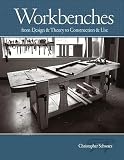
Overview: This title bridges the gap between abstract design principles and practical workshop application, covering the entire workbench lifecycle from theoretical foundation through daily use. It targets woodworkers who want to understand why benches are designed certain ways before picking up tools. The approach emphasizes informed decision-making over blind plan-following.
What Makes It Stand Out: The explicit focus on design theory and construction principles provides deeper knowledge than typical project books. By covering “use,” it ensures the final product actually serves real-world needs—a critical but often omitted component. This educational approach empowers readers to adapt designs intelligently rather than treating plans as immutable blueprints.
Value for Money: While pricing isn’t specified, the comprehensive scope covering theory, design, construction, and application offers strong value. It essentially combines four potential books into one cohesive resource. For woodworkers who plan multiple workshop upgrades over time, understanding underlying principles prevents repetitive purchases of single-project guides.
Strengths and Weaknesses: Strengths include technical depth, holistic coverage, and empowering theoretical foundation. It builds true workshop design skills. Weaknesses may include being overly technical for hands-on learners seeking quick builds, potentially dated information, and fewer step-by-step projects for immediate gratification. The minimalist feature description suggests it may lack visual richness.
Bottom Line: Essential for serious woodworkers who view bench building as a skill investment, not just a project. The theoretical foundation pays dividends across all future workshop decisions. If you want to understand the engineering behind great benches and develop custom solutions, this intellectual approach is invaluable. Casual DIYers may prefer simpler, project-oriented alternatives.
6. The Workbench Book: A Craftsman’s Guide to Workbenches for Every Type

Overview: This comprehensive guidebook serves as an essential resource for woodworkers seeking to build or optimize their workbench. The book explores various workbench styles suitable for different crafts and skill levels, providing readers with the knowledge to select or construct the perfect bench for their specific needs. Through detailed visual aids, it demystifies complex joinery and design principles that make a workbench functional and durable.
What Makes It Stand Out: The book’s strength lies in its extensive visual documentation—illustrations, drawings, and diagrams work in concert to explain intricate details that text alone cannot convey. Rather than promoting a single “perfect” bench, it presents multiple designs from traditional European styles to modern adaptations, allowing craftsmen to make informed decisions based on their workspace, budget, and working style.
Value for Money: As a specialized technical manual, this book offers exceptional value by potentially saving woodworkers countless hours and expensive mistakes. The price of a reference book is minimal compared to the cost of materials for a poorly planned workbench. It functions as both inspiration and practical manual, essentially providing multiple project plans for the price of one resource.
Strengths and Weaknesses: Strengths include comprehensive visual aids, diverse bench designs, and accessible explanations of engineering principles. The book caters to various skill levels and shop constraints. A potential weakness is that as a book, it cannot demonstrate dynamic techniques like video content. Some readers might prefer more step-by-step hand-holding for their first build, and the information may feel dated compared to online resources.
Bottom Line: This is an indispensable reference for serious woodworkers. Whether you’re building your first bench or upgrading your fifth, the visual richness and design diversity make it a worthwhile investment that belongs in every craftsman’s library.
7. The Workbench Planner: For Creators, Makers, and Woodworkers

Overview: This specialized planner is designed for woodworkers in the conceptual phase of their workbench project. Unlike traditional instruction manuals, it focuses on the planning and design process, helping makers organize their thoughts, requirements, and specifications before cutting wood. It serves as a structured workbook that guides users through critical decisions about size, function, and features tailored to their unique creative workflow.
What Makes It Stand Out: The planner format distinguishes this from typical workbench books by actively engaging users in the design process. It likely includes prompts for measuring workspace, inventorying tools, and defining work habits. This interactive approach ensures the final bench design reflects personal needs rather than forcing adaptation to a predetermined plan, making it particularly valuable for makers with unconventional requirements or limited spaces.
Value for Money: For woodworkers who’ve struggled with generic plans that don’t quite fit, this planner prevents costly redesigns and material waste. Its value comes from helping users invest wisely in a bench they’ll actually use. While more expensive than standard notebooks, the specialized guidance and structured approach can save significant money compared to building an unsuitable bench and later rebuilding.
Strengths and Weaknesses: Strengths include personalized design process, avoidance of costly mistakes, and suitability for unconventional spaces. It empowers makers to think critically about their needs. Weaknesses include lack of construction details (requiring supplemental resources), potential overwhelm for absolute beginners, and the necessity of additional research to execute the planned design. It’s a planning tool, not a building manual.
Bottom Line: Ideal for woodworkers who want a custom bench but don’t know where to start. Use this planner to design your dream workbench, then pair it with a detailed construction guide for best results.
8. Workbenches Revised Edition: From Design & Theory to Construction & Use

Overview: This revised edition offers a comprehensive exploration of workbench philosophy and practicality, bridging the gap between abstract design principles and hands-on construction. The book examines the historical evolution and mechanical theory behind effective workbench designs before diving into modern building techniques. It serves as both a scholarly investigation and a practical workshop manual for woodworkers who want to understand the “why” behind the “how.”
What Makes It Stand Out: The book’s holistic approach sets it apart—it doesn’t just show you how to build a bench, but explains the engineering principles and historical context that make designs successful. The revised edition presumably updates classic designs with modern materials and methods. This theoretical foundation empowers woodworkers to adapt designs intelligently rather than blindly following plans, fostering deeper craftsmanship.
Value for Money: This single volume delivers multiple books’ worth of content: design theory, historical overview, construction methods, and usage techniques. For woodworkers who value understanding underlying principles, it’s an exceptional investment that pays dividends across all future projects. The knowledge gained about workholding, ergonomics, and material selection transcends workbench construction alone.
Strengths and Weaknesses: Strengths include comprehensive theoretical foundation, updated content, and empowerment through understanding. It builds problem-solving skills, not just assembly skills. Potential weaknesses include being overly technical for beginners seeking simple plans, requiring more time to digest than straightforward project books, and possibly lacking the sheer variety of designs found in more plan-focused guides.
Bottom Line: Perfect for intermediate to advanced woodworkers who want to master workbench design principles. If you prefer understanding mechanics over following blueprints, this revised edition is your definitive guide.
9. CAMMOO 60" Adjustable Heavy Duty Workbench, 2000 LBS Load Capacity Rubber Wood Work Table with Pegboard, Power Outlets, Work Bench for Garage, Workshop, Office, Home, Commercial

Overview: This heavy-duty workbench from CAMMOO delivers professional-grade functionality in a versatile package suitable for diverse environments. The 60-inch rubber wood top provides a robust, environmentally friendly work surface with a 2,000-pound load capacity, while integrated features like dual pegboards and an ETL-certified power strip transform it into a complete workstation. Adjustable height from 28.5 to 39 inches accommodates both seated and standing work.
What Makes It Stand Out: The comprehensive feature set distinguishes this bench from basic tables. Dual-sided pegboards maximize vertical storage, six included hooks keep tools accessible, and the built-in power strip with four AC outlets and two USB ports eliminates cord management headaches. The tool-free height adjustment with six settings offers unparalleled flexibility for multi-user households or varied tasks, while premium carbon steel glides ensure stability across different floor surfaces.
Value for Money: While priced higher than entry-level benches, this workbench justifies its cost through integrated features that would cost significantly more if purchased separately. The pegboard system, power strip, and heavy-duty construction combine to create a turnkey solution. Comparable industrial benches with similar specifications often cost substantially more, making this an excellent mid-range value for serious DIYers and professionals.
Strengths and Weaknesses: Strengths include impressive weight capacity, versatile height adjustment, integrated power and storage, and straightforward assembly. The rubber wood top offers durability and sustainability. Weaknesses include potential quality control inconsistencies common with mass-produced furniture, the need to verify wood finish durability under heavy use, and pegboard capacity limitations for extensive tool collections. Some users may find the 60-inch length restrictive for large projects.
Bottom Line: An excellent all-in-one solution for those seeking a feature-rich, adaptable workbench. The integrated power and storage make it particularly valuable for modern workshops where efficiency and organization are priorities.
10. The Workbench Book: A Craftsman’s Guide from the Publishers of FWW

Overview: This used edition from Fine Woodworking Magazine’s publishers represents a classic reference in workbench literature. As a pre-owned volume in good condition, it provides access to professional-grade instruction at a reduced price point. The book distills Fine Woodworking’s expertise into a comprehensive guide covering bench design, construction techniques, and usage strategies that have stood the test of time in professional shops.
What Makes It Stand Out: Coming from Fine Woodworking Magazine, this book carries the authority of one of woodworking’s most respected publications. The content reflects real-world shop experience and peer-reviewed techniques rather than theoretical designs. While used, it delivers the same timeless information that made it a workshop staple, including insights from master craftsmen that remain relevant despite the book’s age. The “good condition” rating suggests it’s still fully functional as a reference.
Value for Money: Purchasing this used edition offers exceptional value, often costing significantly less than new publications while delivering comparable information. For budget-conscious woodworkers or beginners testing their interest, it provides professional guidance without the premium price. The timeless nature of workbench design means dated publication isn’t a major drawback, and the Fine Woodworking pedigree ensures quality content that justifies even a new-book price.
Strengths and Weaknesses: Strengths include authoritative source material, proven designs from master craftsmen, cost savings as a used book, and timeless woodworking principles. The Fine Woodworking reputation guarantees quality content. Weaknesses include potential wear, possibly outdated information on modern materials or tools, lack of access to digital updates, and uncertainty about specific contents without a detailed feature list. Used condition may include markings or damage not affecting readability.
Bottom Line: A smart purchase for budget-minded woodworkers seeking authoritative guidance. The Fine Woodworking pedigree ensures quality, making this used edition a practical entry point into serious bench building.
Understanding the Modern Portable Workbench Landscape in 2026
The portable workbench category has fragmented into specialized sub-classes that serve distinct workshop personalities. In 2026, we’re seeing convergence between traditional woodworking benches and high-tech mobile stations, with hybrid designs dominating the market. Understanding this landscape requires recognizing that “portable” no longer means “compromised.” Manufacturers have solved fundamental stability challenges through advanced materials and clever engineering, making mobility a feature rather than a limitation.
The Evolution from Stationary to Mobile Workshop Solutions
The shift from fixed benches to portable solutions mirrors broader changes in how we use residential space. Urbanization trends and multi-purpose garages have made permanent fixtures impractical for many homeowners. Modern portable workbenches now offer 90% of the functionality of stationary benches while adding versatility that static furniture simply cannot match. Key evolutionary leaps include integrated clamping systems that don’t flex under pressure, rapid-deploy leg mechanisms that lock with automotive-grade precision, and surface materials that resist moisture and impact better than traditional hardwoods.
Key Terminology Every Buyer Should Know
Before diving into features, familiarize yourself with 2026’s essential vocabulary. Static load capacity refers to maximum weight when stationary, while dynamic load rating indicates capacity during movement—crucial for shops where you’ll roll loaded benches. Deployment time measures how quickly you can go from stored to work-ready; premium models achieve this in under 90 seconds. Modular compatibility describes integration with ecosystem accessories, and fold-flat profile specifies storage thickness, typically ranging from 4 to 12 inches when collapsed.
Core Stability: The Foundation of Any Good Workbench
A portable workbench that wobbles is worse than useless—it’s dangerous. Stability comes from three interconnected factors: frame geometry, material stiffness, and ground contact design. In 2026, leading manufacturers publish deflection test results showing how much the surface flexes under load, typically measured in thousandths of an inch at center-span with 200 pounds applied. Look for benches deflecting less than 0.030 inches for precision work like routing or sawing.
Frame Materials and Construction Quality
Steel remains the gold standard for frames, but not all steel is equal. 14-gauge steel offers the best balance of strength and weight for home workshops, while 16-gauge feels flimsy under heavy loads. Powder-coat finishes should meet ASTM B117 salt-spray standards, ensuring they won’t chip or rust in humid garage environments. Aluminum frames have gained traction for ultra-lightweight models, but only those using 7000-series alloy with reinforced joints can match steel’s rigidity. Inspect weld quality—continuous welds outperform spot welds by 40% in fatigue testing.
Weight Capacity Ratings: What Those Numbers Really Mean
Manufacturers love boasting about 1,000-pound capacities, but these figures require scrutiny. Distributed load ratings assume weight spreads evenly across the surface—unrealistic for most projects. Point load capacity, typically 60-70% of the distributed rating, matters more when you’re hammering or applying concentrated force. For 2026, demand benches with safety factors of at least 3:1, meaning they’re tested to three times the advertised rating. Also consider incremental loading performance—how stability changes as you approach maximum capacity. Premium designs maintain rigidity linearly, while budget options start flexing noticeably at 50% capacity.
Portability Features That Actually Matter
True portability balances weight, folded size, and maneuverability against setup speed and durability. The average home workshop owner moves their bench 3-5 times per week, making transport ergonomics critical. In 2026, we’re seeing innovative gravity-assisted deployment systems that use the bench’s own weight to lock legs automatically, eliminating the awkward balancing act of older designs.
Foldability vs. Modular Design: Which Suits Your Workflow?
Fold-flat designs excel for space-constrained workshops where the bench stores vertically against a wall. They typically deploy faster but offer less customization. Modular systems, conversely, break down into separate components—legs, top, storage—providing more configuration options but requiring 3-5 minutes for full assembly. Consider your project cadence: if you switch between tasks daily, folding benches save time. If you reconfigure your shop weekly for different craft types, modular systems offer superior flexibility. Hybrid designs now emerge, featuring folding frames with removable accessory modules.
Wheel Systems: Not All Casters Are Created Equal
A bench that rolls smoothly empty but struggles when loaded reveals poor caster engineering. Look for polyurethane-tread casters rated for at least 150 pounds each, with ball-bearing raceways for smooth rolling. Total-lock casters (locking both wheel and swivel) are non-negotiable for safety. In 2026, premium benches feature caster suspension systems that compress slightly under load, increasing stability by maintaining four-point contact on uneven garage floors. Caster positioning also matters—models with wheels mounted at the frame’s extremities resist tipping better than center-mounted designs.
Work Surface Considerations for 2026
Your bench’s surface determines project compatibility and long-term satisfaction. The 2026 market offers materials engineered specifically for portable applications, balancing durability with weight. Surface flatness tolerance—how much the top deviates from perfect flatness—should be ±0.015 inches or better for precision work. Anything beyond ±0.030 inches introduces frustrating variables into your projects.
Material Options: MDF, Bamboo, Composite, and Beyond
High-density MDF remains popular for its replaceability and screw-holding power, but 2026’s moisture-resistant formulations with melamine-alkyd resins prevent swelling in damp garages. Bamboo composites offer 20% better impact resistance than MDF at similar weight, with natural antimicrobial properties. High-pressure laminate (HPL) surfaces provide superior chemical resistance for electronics repair or automotive work. For the ultimate in durability, phenolic resin tops withstand temperatures up to 350°F and resist virtually all solvents, though they add 15-20 pounds to overall weight. Avoid plain particleboard—it’s obsolete in modern designs.
Size and Thickness: Balancing Workspace and Portability
The standard 24" x 48" surface suits 80% of home workshop tasks, but consider your largest typical workpiece. Add 6 inches to each dimension for comfortable manipulation. Thickness impacts both stiffness and accessory compatibility—1.5-inch tops provide adequate rigidity for most applications while accepting standard bench dogs and hold-downs. Thinner 1-inch tops save weight but require underlying support structures that can interfere with clamping. Overhang clearance—the distance from the surface edge to the frame—should be at least 2 inches to accommodate F-clamps and edge-mounted tools.
Clamping and Versatility Systems
A workbench without robust clamping integration is just an expensive table. Modern portable benches treat clamping as a core design principle, not an afterthought. The best designs offer three-dimensional workholding—securing workpieces from above, from the sides, and from below—without requiring separate, bulky accessories.
Integrated Clamp Tracks and Dog Holes
T-track systems embedded flush with the surface allow infinite positioning of hold-downs and stops. Look for tracks with anti-slip inserts that prevent clamps from sliding under vibration. Dog hole patterns should follow the French bench standard (3-inch spacing) or MFT grid (96mm spacing) for maximum accessory compatibility. Hole diameter consistency matters—variations exceeding ±0.010 inches make bench dogs wobble. In 2026, premium benches feature self-healing dog hole liners that prevent crushing and maintain hole integrity over thousands of insertions.
Compatibility with Third-Party Accessories
Proprietary clamping ecosystems lock you into expensive, limited options. Instead, prioritize benches compatible with 8020 extrusion accessories, Festool-style clamps, or PegBoard mounting patterns. Universal mounting plates with pre-drilled hole patterns accept vices, router plates, and miter saw stands without modification. Check for modular faceplate systems that let you swap between woodworking, metalworking, and electronics configurations in minutes. The most versatile benches publish CAD files of their mounting patterns online, letting you 3D-print custom accessories.
Height Adjustability and Ergonomic Factors
Working at the wrong height causes fatigue and compromises precision. In 2026, adjustable-height benches have become standard rather than premium, with mechanisms that finally deliver on the promise of quick, stable height changes. Ergonomic range should span from 28 inches (for detail work while seated) to 42 inches (for standing power tool operation).
Manual vs. Pneumatic vs. Electric Adjustment Mechanisms
Manual screw-jack systems offer infinite height settings and mechanical simplicity but require 30-60 seconds of cranking. Pneumatic assist uses compressed air or gas springs, adjusting in 10-15 seconds with minimal effort—ideal for users with mobility limitations. Electric linear actuators represent 2026’s luxury option, offering one-touch adjustment and programmable height presets, but add 8-12 pounds and require power access. For most home workshops, dual-pneumatic columns provide the best balance of speed, reliability, and cost.
ADA Compliance and Multi-User Households
If multiple family members use the workshop, or if accessibility is a concern, verify ADA-compliant adjustment ranges (28-34 inches for wheelchair access). Some 2026 models feature memory settings for different users, automatically adjusting to pre-programmed heights. Crank handle positioning also matters—side-mounted handles work for seated users, while end-mounted handles suit standing operation. Consider foot clearance: the frame should allow a wheelchair to approach within 6 inches of the bench edge.
Storage Integration and Organization
A portable bench that carries its own tools reduces setup time and prevents forgotten equipment. Modern designs integrate storage without compromising portability, using clever geometry that keeps weight centered and balanced during movement. Storage capacity should hold your 10 most-used hand tools and fasteners without making the bench top-heavy when folded.
Onboard Tool Storage Solutions
Look for removable caddies that dock under the work surface but lift out for bench-side access. Magnetic strips integrated into the frame hold chisels and drivers securely without adding bulk. Modular drawer units that slide onto the bench’s cross-members provide sealed storage for small parts, and should feature positive latches that prevent opening during transport. Avoid open shelves—they collect dust and create snag hazards when moving through doorways.
Modular Add-On Systems
The most adaptable benches function as platforms for stackable storage modules. Quick-release mounting points let you attach extension tables, router wings, or material supports without tools. In 2026, leading manufacturers offer ecosystem compatibility, where storage boxes, power strips, and dust collection manifolds clip onto standardized rails. This LEGO-like modularity means your bench grows with your skills, preventing the obsolescence that plagues all-in-one designs.
Safety Features and Certifications
Portable workbenches face unique safety challenges—moving parts, tip-over risks, and less inherent mass than stationary benches. 2026’s standards reflect lessons learned from industrial mobile equipment, adapted for residential use. Never compromise on safety features; they protect both you and your projects.
Locking Mechanisms and Anti-Tip Technology
Every adjustable component needs positive locking that you can verify visually or audibly. Spring-loaded detents should engage with an audible click, and locking pins must have captive tethers so they don’t get lost. Anti-tip design features include low center of gravity (weight concentrated below 18 inches when folded) and outrigger feet that deploy automatically when the bench is opened. Some premium models include tilt sensors that sound an alarm if the bench begins to tip beyond 15 degrees.
Industry Standards to Look For
Insist on benches tested to ANSI/UL 962 standards for household furniture, which includes stability and load testing. For adjustable models, IEC 60335-2-116 covers motor-driven furniture safety. ISO 7170 tests durability through thousands of deployment cycles. Reputable manufacturers provide certificate of compliance documents. In 2026, look for OSHA-compliant mobile workstation ratings even for home use—they indicate professional-grade safety margins.
Smart Features and Technology Integration
The “smart workshop” trend has reached portable benches, adding capabilities that genuinely enhance productivity rather than gimmickry. These features should solve real problems: locating tools, managing dust, or documenting project progress. Technology integration must be robust enough for dusty, vibration-heavy environments.
IoT Connectivity and Workshop Management Apps
Bluetooth-enabled benches can track deployment cycles, alerting you to maintenance needs like caster lubrication or lock inspection. RFID tool tagging integrated into storage modules helps locate misplaced equipment through a smartphone app. Some 2026 models feature load sensors that warn when you’re approaching weight limits. Ensure any smart features offer manual overrides—technology should assist, not impede. Data privacy matters; choose manufacturers that store data locally rather than in the cloud.
Built-In Power and Lighting Systems
Retractable cord reels with 15-amp capacity eliminate extension cord spaghetti. Look for GFCI-protected outlets directly mounted to the frame, positioned to stay clear of clamps and workpieces. USB-C PD ports (delivering up to 100W) charge modern tools and devices. Integrated LED task lighting with 5000K color temperature and 90+ CRI renders colors accurately for finishing work. The best designs position lights to minimize shadows from your hands, using articulating arms that tuck away when not needed.
Budget Considerations and Value Assessment
Portable workbenches span from $150 budget options to $2,000+ professional systems. Price correlates with durability, precision, and feature integration, but the most expensive bench isn’t always the best for your needs. Total cost of ownership includes replacement surfaces, accessory purchases, and potential injury costs from unstable budget models.
Understanding Price Tiers and What You Get
Entry-level ($150-$300): Basic folding designs, 14-gauge steel, MDF tops, manual height adjustment. Suitable for light assembly and hobby crafts, but expect 2-3 year lifespans with regular use. Mid-range ($300-$600): Pneumatic height adjustment, composite surfaces, modular clamping tracks, better casters. This sweet spot serves 70% of serious home workshops. Premium ($600-$1,200): Electric adjustment, phenolic tops, IoT integration, certified safety standards. Built for daily use and precision work. Professional ($1,200+): Custom configurations, extreme weight capacities, ecosystem integration. Overkill for most home users but justifiable for business use.
Warranty and Customer Support Evaluation
A lifetime warranty means nothing if the company won’t honor it. Look for 5+ year frame warranties and 2+ year surface warranties. Pro-rated replacement policies for wear items show manufacturer confidence. In 2026, leading brands offer video support calls where technicians help diagnose issues. Check parts availability—can you buy replacement casters or surfaces directly? Avoid brands requiring warranty registration within 30 days; reputable companies honor warranties regardless.
Making Your Final Decision: A 2026 Buyer’s Checklist
Before clicking “buy,” run through this final verification. Does the bench’s folded footprint fit your storage space with 2 inches clearance on all sides? Will its deployed height work for your tallest and shortest users? Can you test-deploy it in-store or benefit from a 30-day return policy? Does it integrate with tools you already own? Is the weight manageable for the person who’ll move it most often? Have you read negative reviews focusing on long-term durability complaints? Does the clamping system accommodate your go-to clamps? Finally, does it spark joy—because a bench you love using gets maintained and lasts decades.
Frequently Asked Questions
What’s the realistic lifespan of a portable workbench in a home workshop?
With proper maintenance, a mid-range portable workbench should last 8-12 years in a typical home workshop environment. Premium models can exceed 15 years. Key factors affecting longevity include frequency of deployment, load levels, and environmental conditions. Benches used daily for heavy assembly may show wear in 5-7 years, while weekend-use models often last decades. Replace the work surface every 3-5 years depending on damage, and lubricate moving parts annually.
How do I determine the right weight capacity for my projects?
Calculate the heaviest single component you’ll place on the bench, then add 50% for tools, clamps, and dynamic forces. For example, if you work on 200-pound furniture pieces, choose a bench rated for at least 300 pounds distributed load. Remember that point loads (like the feet of a heavy machine) stress the structure more than evenly distributed weight. When in doubt, round up—under-spec’ing capacity leads to premature wear and safety hazards.
Are smart features with IoT connectivity worth the extra cost?
For most home workshops, IoT features remain a luxury rather than a necessity. The value becomes apparent if you: share the workshop with family members who misplace tools, run a business requiring maintenance logs for insurance, or have accessibility needs that benefit from automated height adjustment. Basic Bluetooth cycle tracking adds minimal cost and helps with maintenance reminders, but full app integration typically adds $200-400 to the price. Consider whether you’ll actually use the data before paying for connectivity.
Can I modify or upgrade my portable workbench over time?
Absolutely—modularity defines modern portable workbenches. Most quality frames accept aftermarket casters, and surfaces can be replaced with DIY alternatives. T-tracks and dog holes can be retrofitted to solid tops using router templates. However, modifying the frame structure voids warranties and can compromise safety. Focus upgrades on accessories and surfaces. Many manufacturers sell upgrade kits for their benches, ensuring compatibility and maintaining warranty coverage.
What’s the best way to store a portable workbench when not in use?
Store folded benches vertically on wall-mounted brackets to save floor space and prevent warping. If horizontal storage is necessary, flip the bench upside-down to protect the work surface and distribute weight evenly across the frame. Avoid leaning benches against walls long-term, as this stresses hinges and joints. For humid environments, apply a coat of paste wax to steel components before extended storage. Never hang benches by their handles—it misaligns frames and damages locking mechanisms.
How important is work surface flatness for non-precision work?
Even for rough carpentry and assembly, surface flatness matters more than you’d think. A bench that sags or twists introduces errors that compound through your project. A surface deviating by 1/16 inch over 4 feet can cause a table saw sled to bind or make glue-ups impossible. For general home workshop use, aim for ±0.030 inch flatness tolerance. This ensures reliable results without paying premium prices needed for ±0.010 inch precision benches required by fine furniture makers.
Do pneumatic height-adjustment systems require maintenance?
Pneumatic systems need minimal maintenance but aren’t maintenance-free. Check air seals annually for leaks by listening for hissing sounds during adjustment. Wipe down piston rods to prevent dust from scratching seals. Most systems use sealed nitrogen cartridges requiring no refilling, but extreme cold can reduce pressure temporarily—store in heated spaces if you work in winter. If adjustment becomes sluggish, a drop of pneumatic tool oil on the activation lever often restores performance. Avoid WD-40, which can degrade seals.
What’s the safest way to move a loaded portable workbench?
Never move a bench with tools or projects on the surface, even if casters seem sturdy. The center of gravity shifts unpredictably, and a sudden stop can launch equipment. Remove heavy items first, then lock all casters before loading. When moving empty, tilt the bench back to engage only two wheels, using the handles to control direction. This prevents caster swivel from making the bench uncontrollable. On slopes, always move downhill first to test brake holding power. For stairs, fully fold the bench and carry it vertically using the integrated handholds.
How do I evaluate a bench’s clamping versatility without buying it first?
Visit showrooms with your actual clamps. Test how easily they seat in tracks and dog holes. Bring a small project board and attempt your typical clamping scenarios. If shopping online, download the bench’s dimensional drawings and compare them to your clamp specifications. Check user forums for compatibility discussions—enthusiasts often post detailed measurements. Look for video reviews showing clamping operations, not just static showcases. Manufacturers confident in their designs provide free CAD files of clamping layouts.
Will a portable workbench suffice as my only work surface?
For workshops under 200 square feet, a high-quality portable bench can absolutely serve as your primary surface—provided you choose wisely. Opt for a 24" x 60" model with robust clamping and storage integration. You’ll need to develop disciplined workflows: breaking down large projects into sub-assemblies that fit the bench, using sawhorses for sheet goods, and storing the bench vertically when floor space is needed. Many professional woodworkers in small urban shops rely solely on portable benches. The key is selecting one with enough capacity and stiffness to handle your most demanding tasks without compromise.
See Also
- 10 Portable Workbenches That Fit in Your Car Trunk for Pop-Up Workshops
- 10 Adjustable Height Workbenches for Shared Family Workshops in 2026
- 10 Best Folding Workbenches for Small Garage Workshops in 2026
- Top 10 Best Mobile Workbenches for Small Workshops in 2026
- Top 10 Best Portable Workbenches for Small Garage Shops in 2026